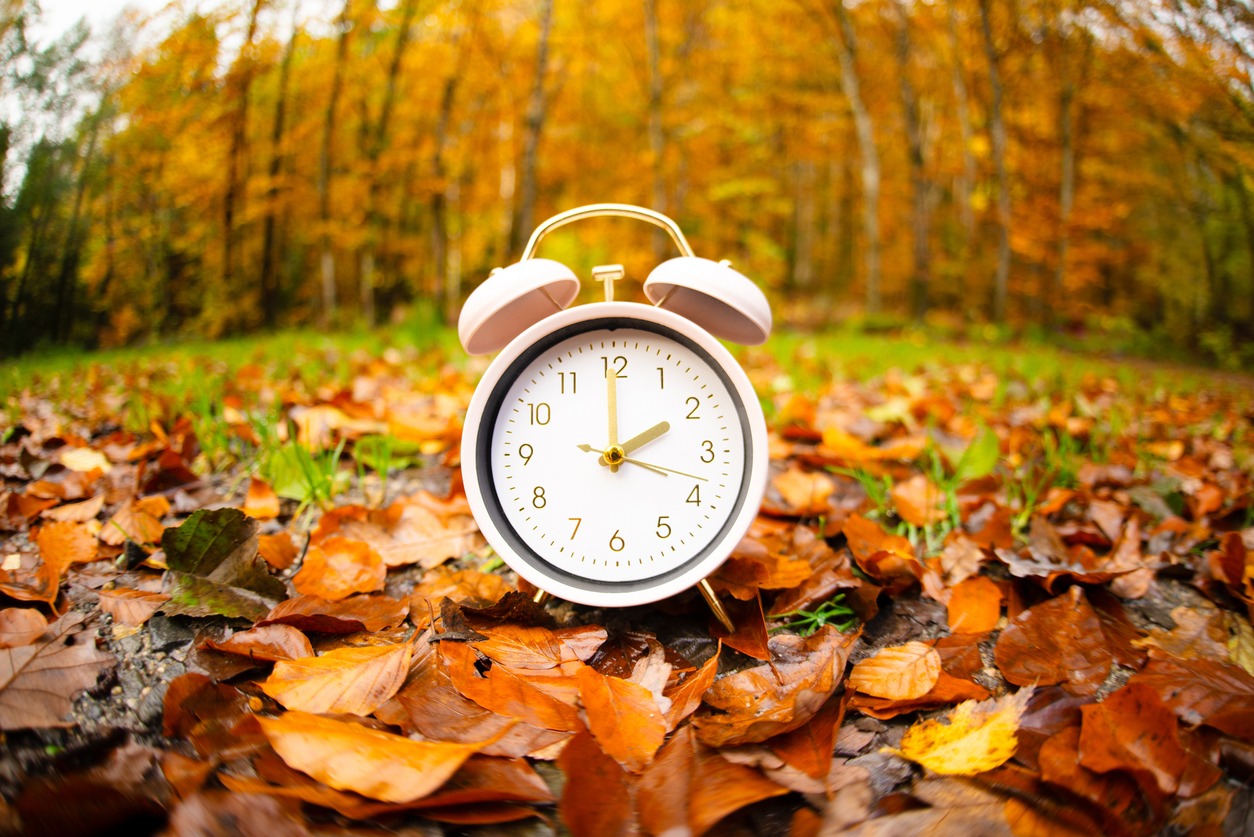
Sometime between Halloween and All Saints’ Day, the clocks here in the U.S. fell back. Your phone changed on its own. The clock on the stove didn’t. Mine usually stays an hour off until sometime in December.
We like to give Benjamin Franklin credit for daylight saving time, but apparently, he was joking. In 1784, he wrote a satirical letter teasing Parisians for sleeping through the morning sun and burning candles all night. He suggested firing cannons at dawn to wake them up.
The real reason was war. Germany moved its clocks in 1916 to save coal during World War I. The United States followed in 1918. The idea was simple: shift the light to the hours when people are awake and burn less fuel.
More than a century later, we still argue about it. This July, the U.S. House of Representatives passed a bill to make daylight saving time permanent. Nineteen states have already said they want to stop changing the clocks. Sleep scientists push back and say permanent standard time would be healthier. The Senate hasn’t acted. So, once again, we fell back.
I’ll leave that debate to Congress. What I like is that night. We spend all year complaining that we don’t have enough time. Then, once a year, an hour comes back, and most of us sleep through it.
The timing is no accident. November opens with the days many cultures set aside to remember the dead. November 1 is All Saints’ Day. November 2 is All Souls’ Day. In Mexico, families build ofrendas for Día de los Muertos, altars covered with marigolds, candles, photographs and favorite foods, to welcome the spirits of the people they love back home.
In the Philippines, where I was born, these days are called Undas. Families go to the cemetery to be with their dead. As a boy, I went with my family to visit the graves of my grandparents on my mother’s side, to light candles and leave flowers. Around us, families picnicked by the graves and played poker and mah-jongg. They sang and told stories. Some stayed through the night.
As a child, it didn’t feel sad to me. It felt like a reunion. Nobody pretended the dead were gone. Nobody pretended they were still here, either. We made room to honor them, then went home and got on with our lives.
Different countries, same instinct. As the year darkens, stop and look back.
Most of us don’t. We go from Halloween straight into the holidays. The calendar fills up. The lists get longer. By the time January arrives, we’re too tired to think about the year we just lived, so we make resolutions about the next one instead.
This is the step I wrote The Janus Plan to restore. Janus, the god who gave January its name, has two faces. One looks back. One looks forward. Both matter, and the order matters too. Look back first.
So, here’s my suggestion for the hour you got back this month. Spend it the way my family spent Undas. Sit with the year you’ve lived.
Write down your answers to three questions:
- What worked this year?
- What do I need to leave behind?
- What did this year try to teach me?
Then do one more thing. Name one thing you’ll set down before the holidays begin. A commitment you’ve outgrown. A grudge. A stack of something in the hallway or garage. Clear it, the way families clear the weeds from around a grave before they light the candles.
That’s it. One hour. You’re not giving it up. It’s yours, and this is one way to use it.
You were given an hour back. Spend it looking back, then go on living.